Global Shipping Trends 2026: AI, Sustainability & Nearshoring Reshape Supply Chains

The logistics industry is undergoing its most dramatic transformation in decades. As we move through 2026, three dominant forces — artificial intelligence integration, decarbonization mandates, and nearshoring acceleration — are rewriting the rules of international freight. Primefreight is at the forefront of this evolution, deploying autonomous tracking systems and green vessel partnerships.
According to the latest WTO data, cross-border e-commerce volumes grew 22% year-over-year, pushing carriers to adopt predictive analytics for route optimization. Meanwhile, the EU's new FuelEU Maritime regulation is spurring investment in methanol-ready vessels and shore-side power. Our analysis dives into actionable strategies for shippers to reduce costs while meeting sustainability targets.
Continue reading this report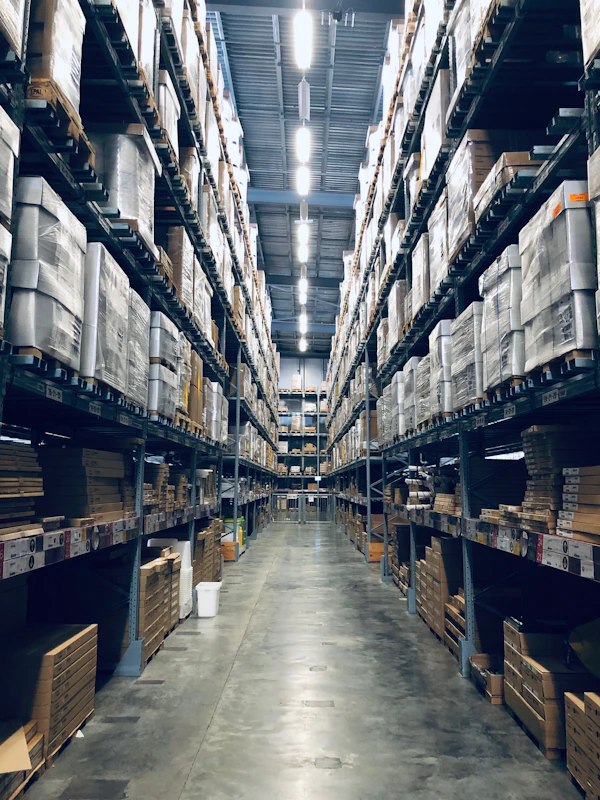
Ocean Freight Rates Stabilize: What Importers Need to Know for Q3
After 18 months of volatility, transpacific container rates have found a new equilibrium. Analysts point to increased vessel capacity and moderating demand as key drivers. However, disruptions at Panama Canal remain a wildcard...
Read more
Digital Air Cargo Booking: How APIs Are Cutting Transit Times by 34%
Real-time capacity matching and dynamic pricing algorithms are revolutionizing air freight. IATA's ONE Record standard enables seamless data exchange between shippers, forwarders, and airlines — reducing cargo handling errors drastically.
Read more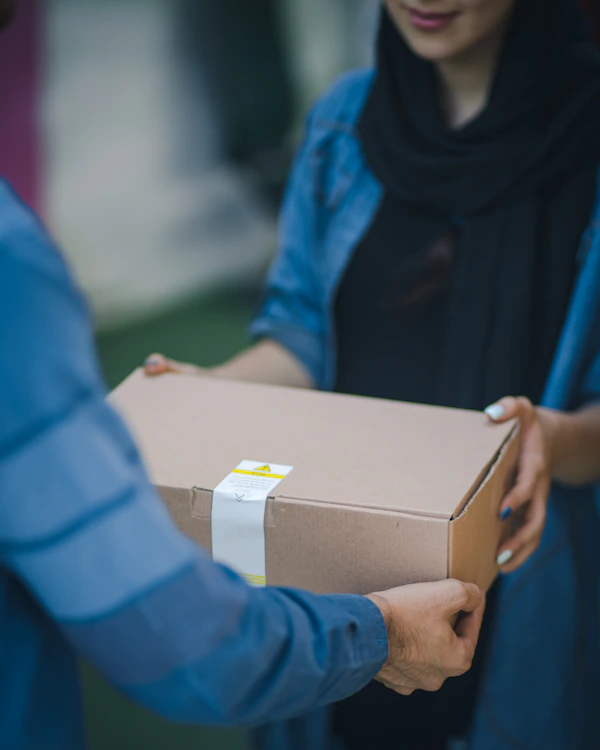
Generative AI in Logistics: Predictive Risk Management & Document Automation
From automated commercial invoices to real-time disruption forecasting, generative AI tools are now mainstream. Our logistics tech lab explores how large language models reduce customs clearance delays by up to 40%.
Read more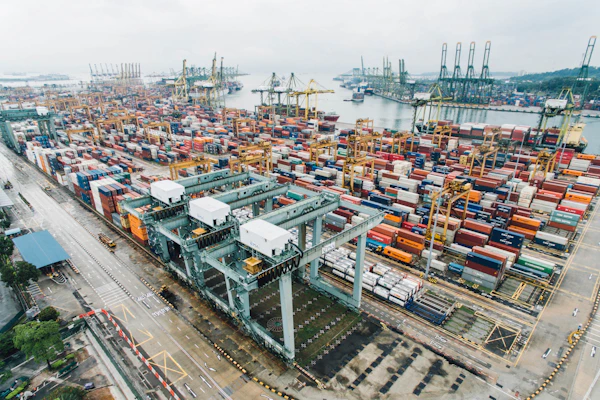
Carbon-Neutral Shipping: Beyond Offsets — Real Decarbonization Strategies
Global logistics providers are moving beyond carbon credits to tangible emission reductions: green methanol vessels, electric last-mile fleets, and AI-optimized networks. Primefreight's roadmap to net-zero by 2035.
Read more
US Customs Zero-Tolerance for De Minimis Abuse: New Enforcement Clarified
CBP is ramping up audits on low-value shipments. Importers must ensure accurate declaration of country of origin and product classification. Our trade compliance team breaks down the latest directives.
Read more
Drone Deliveries & Autonomous Lockers: The Future of Urban Logistics
Pilot programs in 12 major cities show drone delivery reduces last-mile emissions by 55%. Combined with automated parcel lockers, retailers are seeing 99% successful delivery rates even in dense downtown areas.
Read moreTrending Now