Rail Freight & Intermodal

Cost-effective, sustainable rail shipping solutions. Intermodal containers, bulk rail, and project cargo across North America and Europe.

Eco-Friendly, High-Capacity Rail Freight Solutions

Global Worldwide Express Shipping offers comprehensive rail freight and intermodal services, combining the efficiency of rail for long-haul运输 with the flexibility of truck for first and last mile. Rail shipping reduces carbon emissions by up to 75% compared to trucking, making it the most sustainable choice for bulk and containerized cargo.

With partnerships across major Class I railroads and European rail networks, we provide reliable, cost-effective service for intermodal containers, bulk commodities, automotive, and project cargo.

75% lower CO2 than truck
Intermodal & bulk rail
3-4x more fuel efficient
Door-to-door via drayage
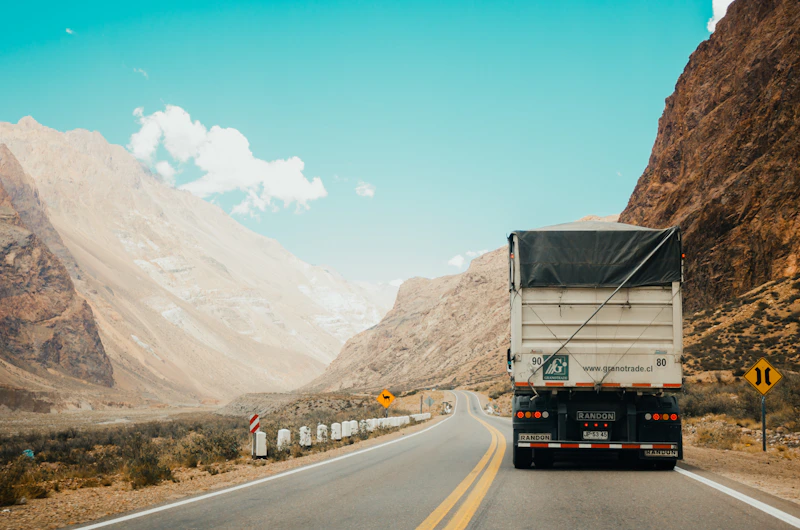
Rail freight train

Rail Freight Solutions for Every Need

Choose the right rail solution based on cargo type, volume, and destination.

Intermodal (COFC/TOFC)

Container on flat car / Trailer on flat car

  • Seamless ocean-to-rail transfer
  • 20ft, 40ft, 45ft, and 53ft containers
  • Double-stack capable on major routes
  • Truck-rail-truck door-to-door
Best for: Import/export, retail, consumer goods

Bulk Rail

Hopper cars, gondolas, tank cars

  • Grain, aggregates, chemicals, petroleum
  • Covered hoppers & open-top gondolas
  • Unit trains for large volumes
  • Transloading to trucks at destination
Best for: Agriculture, mining, energy, chemicals

Project & Heavy Haul

Oversized, overweight, dimensional cargo

  • Flatcars, centerbeams, depressed-center cars
  • Wind turbine blades, transformers, machinery
  • Special equipment & escort coordination
  • End-to-end project management
Best for: Industrial equipment, construction, energy

The Advantages of Rail Freight

Eco-Friendly

75% less CO2 emissions vs truck. 3-4x more fuel efficient per ton-mile.

Cost-Effective

10-30% lower cost than long-haul trucking for volumes over 1,000 miles.

High Capacity

One train carries 200-300 truckloads. Ideal for bulk and containerized cargo.

Reliable & Safe

Scheduled departures, lower accident rates, reduced cargo theft risk.

Major Rail Corridors & Intermodal Hubs

North America

Los Angeles → Chicago → New York

Seattle → Minneapolis → Chicago

Texas → Midwest → Northeast

Transcontinental (US)

West Coast (LA/Oakland) to East Coast (NY/NJ)

Pacific Northwest to Southeast (Atlanta)

Mexico border to Canada border

European Rail Network

Rotterdam → Duisburg → Milan

Hamburg → Munich → Vienna

Le Havre → Paris → Barcelona

Intermodal Rail Transit Times (North America)

Origin (Ramp)Destination (Ramp)Rail TransitTotal Door-to-Door*
Los Angeles, CAChicago, IL4-5 days6-7 days
Los Angeles, CANew York, NY7-8 days9-10 days
Chicago, ILDallas, TX3-4 days5-6 days
Seattle, WAMinneapolis, MN3-4 days5-6 days
Houston, TXAtlanta, GA3-4 days5-6 days
New York, NYChicago, IL3-4 days5-6 days
Vancouver, BC (CAN)Chicago, IL5-6 days7-8 days

*Total door-to-door includes drayage (truck) pickup and delivery. Transit times are business days, excluding origin/destination ramping.

How Rail Freight Works

1
Truck to Rail Ramp

Container picked up from shipper, delivered to origin rail ramp.

2
Train Transport

Container loaded on double-stack train for long-haul transit.

3
Arrival & Ramp

Container unloaded at destination rail ramp.

4
Final Delivery

Truck delivers container to consignee's door.

Door-to-Door Intermodal: Truck + Rail + Truck

Railcar Types & Intermodal Equipment

Intermodal Container

20ft, 40ft, 45ft, 53ft

Covered Hopper

Grain, plastic pellets, cement

Tank Car

Liquids, chemicals, fuel

Flatcar

Oversized, machinery, lumber

Gondola

Scrap metal, coal, aggregates

Reefer Container

Temperature-controlled intermodal

Leading the Way in Green Logistics

Rail freight is the most environmentally responsible mode of land transportation.

  • 75% less CO2 emissions than truck per ton-mile
  • 3-4x more fuel efficient than long-haul trucking
  • One train removes 300 trucks from highways
  • Carbon footprint reporting available for each shipment

Carbon Savings Calculator

Shipping 1 container from LA to Chicago via rail vs truck:

Truck
~1,600 lbs CO2
Rail
~400 lbs CO2

✓ 75% reduction in carbon emissions

Rail Freight Questions

Intermodal rail freight uses standardized shipping containers that can be moved seamlessly between truck, train, and ship. The container is picked up by truck, delivered to a rail ramp, loaded onto a train for long-haul transport, then delivered by truck to final destination. This combines the cost-efficiency of rail with the flexibility of truck.

Rail is most cost-effective for shipments over 500 miles, especially for high volumes (full containers or multiple pallets). It's ideal for non-urgent freight where transit time isn't critical. For shipments under 500 miles or time-sensitive cargo, truck is typically faster.

Yes. Refrigerated (reefer) containers can be shipped via intermodal rail with active temperature control. We offer -20°C to +25°C range for pharmaceuticals, produce, frozen foods, and other perishable goods.

All intermodal shipments receive a container number and rail waybill number. GWE provides real-time tracking via our portal with milestone updates: truck pickup, rail ramp arrival, train departure, in-transit scans, arrival at destination ramp, and final delivery proof.

Rail is a primary mode for transporting hazardous materials including flammable liquids, corrosive substances, and certain gases. All shipments must comply with DOT/PHMSA regulations and require proper classification, packaging, and documentation. Contact our DG specialists for approval.

Ready to Ship by Rail?

Get an intermodal or bulk rail quote from our logistics experts.

Request Rail Freight Quote

Or call us: +1 (800) 492-7731 | Email: rail@gweshipping.com